|
|
 Expert
Posts: 2128
  
| I don't have experience in this area so heres to my education. Lets say you get a horse vet checked and in one hind, it has a hock that has begun to fuse. What is the general prognosis for this usually? Do you inject from that point? Does it cause pain? How does this affect the marketability of said horse? All info is appreciated. School me..
Edited by scwebster 2016-05-11 11:37 AM
|
|
| |
|
 Expert
Posts: 5293

| scwebster - 2016-05-11 9:35 AM
I don't have experience in this area so heres to my education. Lets say you get a horse vet checked and in one hind, it has a hock that has begun to fuse. What is the general prognosis for this usually? Do you inject from that point? Does it cause pain? How does this affect the marketability of said horse? All info is appreciated. School me..
My 11 year old is fusing!!! My vet explained that some horses fuse, some don't. Some partially fuse. SO each case is different. If your horse is fusing, THATS GREAT!!!! Once they fuse, the joint space in the lower hock joint no longer exists and its bone on bone. When this happens the PAIN STOPS forever!! My horse had a spavin in his LH hock and it was causing lots of pain. We xrayed it and injected it with JUST STEROID. THe steroid alone will make the joint fuse faster. If you add HA to the mix it lubricates the joint and makes the process take longer. My horse went from needing it injected 2-3x a year, to once a year, to never now. lol He has remained sound and not needing it. The steroid will take the pain and inflammation out and hocks can be repeatedly injected where other joints can't. If your horse is NOT fusing you may need the HA to get best results. Hope that helped!
Prognosis: Great! Once they fuse the pain is gone and they can have a full competitive careers. I would have no problems buying a horse that is fused. I would actually PREFER it. Injections are expensive!
Edited by FLITASTIC 2016-05-11 11:56 AM
|
|
| |
|
Expert
Posts: 2128
| FLITASTIC - 2016-05-11 11:52 AM scwebster - 2016-05-11 9:35 AM I don't have experience in this area so heres to my education. Lets say you get a horse vet checked and in one hind, it has a hock that has begun to fuse. What is the general prognosis for this usually? Do you inject from that point? Does it cause pain? How does this affect the marketability of said horse? All info is appreciated. School me.. My 11 year old is fusing!!! My vet explained that some horses fuse, some don't. Some partially fuse. SO each case is different. If your horse is fusing, THATS GREAT!!!! Once they fuse, the joint space in the lower hock joint no longer exists and its bone on bone. When this happens the PAIN STOPS forever!! My horse had a spavin in his LH hock and it was causing lots of pain. We xrayed it and injected it with JUST STEROID. THe steroid alone will make the joint fuse faster. If you add HA to the mix it lubricates the joint and makes the process take longer. My horse went from needing it injected 2-3x a year, to once a year, to never now. lol He has remained sound and not needing it. The steroid will take the pain and inflammation out and hocks can be repeatedly injected where other joints can't. If your horse is NOT fusing you may need the HA to get best results. Hope that helped! Prognosis: Great! Once they fuse the pain is gone and they can have a full competitive careers. I would have no problems buying a horse that is fused. I would actually PREFER it. Injections are expensive!
Thanks so much FLIT!! Your response is very informative and helps a ton :) |
|
| |
|
 Elite Veteran
Posts: 950

Location: MO | Flit hit the nail on the head. Mine fused last year at 14....he is running harder this year than he EVER has. |
|
| |
|

Location: Texas | Well there can be a problem if they don't go ahead and fuse, they will continue to be in pain and needed repeated injections to relieve that pain. We have a really, really, really nice gelding that has a hock that has been fusing for over 5 years. We maintained him with injections to the point they were not lasting even 4 weeks, we then went in and had them drilled with a laser, which was suppose to do the trick and he still has not completely fused. We can now do alcohol injections, or Tildrens in hope that it will work. With some it's not as simple as others |
|
| |
|
The Advice Guru
Posts: 6419
| EnterUp - 2016-05-14 4:12 PM
Well there can be a problem if they don't go ahead and fuse, they will continue to be in pain and needed repeated injections to relieve that pain. We have a really, really, really nice gelding that has a hock that has been fusing for over 5 years. We maintained him with injections to the point they were not lasting even 4 weeks, we then went in and had them drilled with a laser, which was suppose to do the trick and he still has not completely fused. We can now do alcohol injections, or Tildrens in hope that it will work. With some it's not as simple as others
Drilling and laser are two different surgical options for fusing. I have never heard of a vet doing both at the same time.
Surgical fusion has about 90 percent chance of working IF you have never injected with cortisone, prednisolone, or betamethasone.
Once you have injected with the above steroids the success rate I believe drops to 50.
The metabolites the steroids leave behind inhibit healing. |
|
| |
|
 Elite Veteran
Posts: 1161
Location: East Texas | cheryl makofka - 2016-05-14 5:30 PM EnterUp - 2016-05-14 4:12 PM Well there can be a problem if they don't go ahead and fuse, they will continue to be in pain and needed repeated injections to relieve that pain. We have a really, really, really nice gelding that has a hock that has been fusing for over 5 years. We maintained him with injections to the point they were not lasting even 4 weeks, we then went in and had them drilled with a laser, which was suppose to do the trick and he still has not completely fused. We can now do alcohol injections, or Tildrens in hope that it will work. With some it's not as simple as others Drilling and laser are two different surgical options for fusing. I have never heard of a vet doing both at the same time. Surgical fusion has about 90 percent chance of working IF you have never injected with cortisone, prednisolone, or betamethasone. Once you have injected with the above steroids the success rate I believe drops to 50. The metabolites the steroids leave behind inhibit healing.
I have a mare that we are dealing with the same issue, been trying to fuse for several years now. She is not sound to run at this point. However, my vet recommended a product called OCD pellets. We have started her on those and after 3 months one hock is now 90% and the other is 75% fused. We are also using them on another mare who had a degeneration of one hock, it was so bad surgery was not an option. We started her on the pellets and after 3 months she is now walking sound in the pasture. The xray showed an 80% fusion of that hock. |
|
| |
|
 Member
Posts: 36
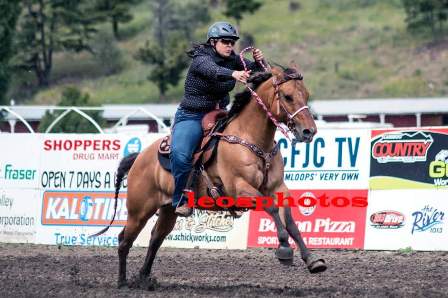
Location: BRITISH COLUMBIA CANADA | My 11 year old barrel horse has a surgically fused pastern. He has a plate and screws that hold it. I swear his bionic leg is the strongest! He has a slight hitch in his step due to the mechanics of it, if you don't know to look for it you'd never know. He had a bone spur that was giving him grief and the vet said this was his best option for a normal life. The results are a great success!  |
|
| |
|
Veteran
Posts: 291
| I think the one thing everyone would agree on is that it SUCKS, and we wish you good luck! |
|
| |
|
 Expert
Posts: 2013
Location: Piedmont, OK | While they are fusing it is very uncomfortable for them. I would Definitely go ahead and inject. and I would also give them Animal Element Foundation Detox, Cissus daily to help with pain management, and MSM to decrease inflammation. |
|
| |


 Folks on-line