|
|
Unable to Live Without Chocolate or Coffee
Posts: 1849
   
| I just wanted to let others know that I thought my horse had a respiratory issue but it ended up being allergy to Rice bran and hulls! I found out through an elimination diet. I had bought some rice bran for my colt to bulk up on, and decided to try it on my gelding. we he went into a full blown coughing fit almost like asthma in a human! so I quit feeding that!... then He still kept up a single or maybe 2 or 3 coughs during his supplement feeding so I checked those and there was rice hulls and bran in them. I took those away and he has been fine- not a single cough. poor guy! Finding supplements without those are a challenge! any tips are appreciated :) thanks
Edited by camocowgirl 2021-02-02 5:29 PM
| |
| | |
 A Somebody to Everybody
Posts: 41354

Location: Under The Big Sky Of Texas | What type of supplements does your horse need? | |
| | |
Unable to Live Without Chocolate or Coffee
Posts: 1849
| Mostly a hoof growth supplement. Maybe a vitamin /hay balancer type. I feed grass/alfalfa pellets as a carrier for his herbs when he gets those. | |
| | |
 Warrior Mom
Posts: 4400

| Not sure if hoof RX by CEP has that in it but I've heard really good things about that one. | |
| | |
A Somebody to Everybody
Posts: 41354
Location: Under The Big Sky Of Texas | Check out these,, Farriers Formula (Double strength) Horseshoers Secret Focus HF Hoof Equinety Horse XL Omega HorseShine Clovite Maybe some of these will help you out.  | |
| | |
Warrior Mom
Posts: 4400
| Southtxponygirl - 2021-02-03 10:51 AM
Check out these,,
Farriers Formula (Double strength)
Horseshoers Secret
Focus HF Hoof
Equinety Horse XL
Omega HorseShine
Clovite
Maybe some of these will help you out.
Just a funny side note on the Omega Horseshine... I am feeding my horse a cup of that once a day, finishing up the bag and my chickens fight him over it... they love it! So, I've been mixing it in their feed in hopes they'll leave his food alone... I noticed the shine on one of my roosters feathers this morning lol!!  he thinks he's all kinds of sexy... he just found his crow and really does think he's all that! he thinks he's all kinds of sexy... he just found his crow and really does think he's all that! 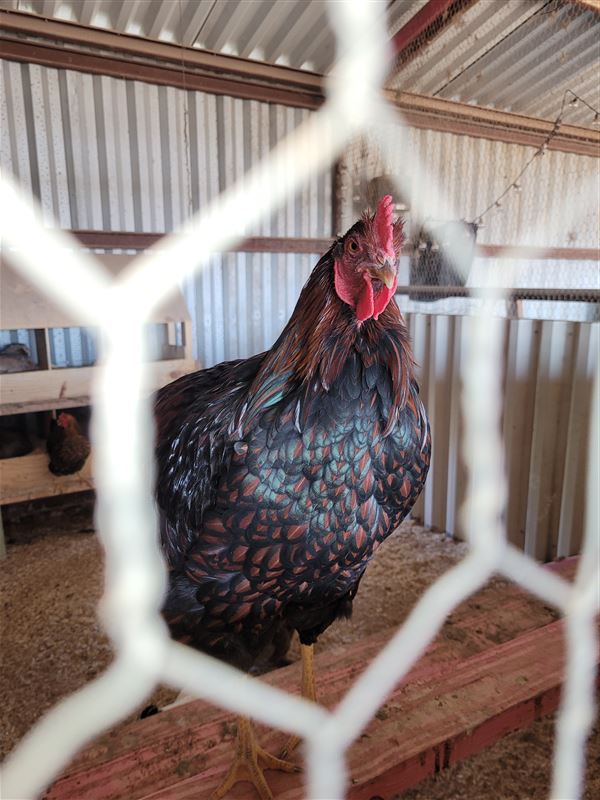 | |
| | |
A Somebody to Everybody
Posts: 41354
Location: Under The Big Sky Of Texas | want2chase3 - 2021-02-03 11:48 AM
Southtxponygirl - 2021-02-03 10:51 AM
Check out these,,
Farriers Formula (Double strength)
Horseshoers Secret
Focus HF Hoof
Equinety Horse XL
Omega HorseShine
Clovite
Maybe some of these will help you out.
Just a funny side note on the Omega Horseshine... I am feeding my horse a cup of that once a day, finishing up the bag and my chickens fight him over it... they love it! So, I've been mixing it in their feed in hopes they'll leave his food alone... I noticed the shine on one of my roosters feathers this morning lol!! he thinks he's all kinds of sexy... he just found his crow and really does think he's all that!
Its so funny when you hear a Rooster trying to learn to crow for the first week, they sound so horrible ha ha ha ha ha, My young rooster just found his this week, thank goodness, he sounded so sick and horrible ha ha ha ha. | |
| | |
Expert
Posts: 1695
Location: Willows, CA | It would be interesting to know where that rice bran came from. I have not talked about this for some time, but, as the person who brought stabilized rice bran to the horse industry in the 1980's I know something about this. I have warned about feeding rice hulls, (absolutly no value in feeding this or anything that contains it), and the raw rice bran that some feed companies use in their formulation. First, Raw rice bran. Rice bran is the difference between white rice and brown rice that you see in the store. It is the same rice, but white rice has had the bran layer milled off. The reason that they do that is because raw rice bran has virtually no shelf life once the rice hull is removed and it is exposed to air. An enzyme in the bran then causes the natural fat in the bran to go rancid within hours. This distroys a lot of the nutritional value, so the mill removes that to make white rice that will keep for an extended period of time. The resulting raw rice bran is a waste product, usually used for cheap cattle feed. Some feed mills buy it for use in horse feed because it is high in calories and can make their analysis look better. But, it is still a waste product, and handled as such. Since raw rice bran typically goes rancid in about eight hours, there is no way to get it fresh to a feed mill, and nothing can be done to "un rancid" it. In addition, waste products are stored at the rice mill in open storage where anything can and does get exposed to it. Aflatoxin, and other mold pahtogens are common in raw rice bran due to its "wast product" storage. Simply put, in my opinion, it should never be put in a horse or dog or chicken. If it were safe to use in your horse, I would have been doing that for the last 30 years. I would suspect that is what caused the reaction seen in the OP's horses. I know a lot of horse owners have fed raw rice bran for years with no problem. All I can say is that works until it does not, as the OP has seen here. I always tell people that if you want to feed raw rice bran to your own horses, that is your business. However, I feed horses all over the world, and would never take the risk of feeding those horses contaminated raw rice bran. That is why, for all these years, I have only used Stabilized Rice Bran in my formulations. It is an amazingly effective ingredient and absolutely safe. So, What is Stabilized Rice Bran? Rice bran is stabilized on equipment that is physically in the rice mill. That allows it to be stabilized within minutes of being milled off of the rice kernal. This is the ONLY way rice bran can be stabilized. It can't be trucked somewhere else to be stabilized because, once exposed to air, the process of degrading it begins. The process is mechanical and done on special extrusion equipment that eliminates the enzyme that causes the fresh rice bran to go rancid without degrading the nutrient value or the high levels of vitamin E that then protect shelf life long term. The result is a safe nutrient packed high value product. Because this process is expensive, the added value to the stabilized rice bran means that great care it taken in storage and shippment to ensure that no contamination can happen after the stabilization process. The result is a human food grade ingredient. I am not saying that no horse in the world is allergic to stabilized rice bran, but it would be incredibly rare. In general, reactions to feeding rice bran are from feeding cheap contaminated raw rice bran, or a feed that contains that. Rice hulls. These have literally no nutritional value that would justify putting them into a horse. They are highly abrasive, and are virtually free to haul them away from most rice mills. I would question the formulation of any horse product that has these listed on the ingredient list. They are simply there to lower NSC numbers and make the bag look more full. OK, so who uses stabilized rice bran in thier formulation. Renew Gold, original and Senior, Purina in some formulations, Buckeye in some formulations, MaxEGlo, Natural Glo where available. In supplements, Platinum, SherMar, some others I am sure. If the term used is "rice bran" it is almost certainly raw rice bran. Companies that go to the effort to use only Stabilized Rice Bran always refer to it that way. Hope this helps. Win
Edited by winwillows 2021-02-03 2:53 PM
| |
| | |
A Somebody to Everybody
Posts: 41354
Location: Under The Big Sky Of Texas | winwillows - 2021-02-03 1:13 PM
It would be interesting to know where that rice bran came from. I have not talked about this for some time, but, as the person who brought stabilized rice bran to the horse industry in the 1980's I know something about this. I have warned about feeding rice hulls, (absolutly no value in feeding this or anything that contains it), and the raw rice bran that some feed companies use in their formulation.
First, Raw rice bran. Rice bran is the difference between white rice and brown rice that you see in the store. It is the same rice, but white rice has had the bran layer milled off. The reason that they do that is because raw rice bran has virtually no shelf life once the rice hull is removed and it is exposed to air. An enzyme in the bran then causes the natural fat in the bran to go rancid within hours. This distroys a lot of the nutritional value, so the mill removes that to make white rice that will keep for an extended period of time. The resulting raw rice bran is a waste product, usually used for cheap cattle feed. Some feed mills buy it for use in horse feed because it is high in calories and can make their analysis look better. But, it is still a waste product, and handled as such. Since raw rice bran typically goes rancid in about eight hours, there is no way to get it fresh to a feed mill, and nothing can be done to "un rancid" it. In addition, waste products are stored at the rice mill in open storage where anything can and does get exposed to it. Aflatoxin, and other mold pahtogens are common in raw rice bran due to its "wast product" storage. Simply put, in my opinion, it should never be put in a horse or dog or chicken. If it were safe to use in your horse, I would have been doing that for the last 30 years. I would suspect that is what caused the reaction seen in the OP's horses. I know a lot of horse owners have fed raw rice bran for years with no problem. All I can say is that works until it does not, as the OP has seen here. I always tell people that if you want to feed raw rice bran to your own horses, that is your business. However, I feed horses all over the world, and would never take the risk of feeding those horses contaminated raw rice bran. That is why, for all these years, I have only used Stabilized Rice Bran in my formulations. It is an amazingly effective ingredient and absolutely safe.
So, What is Stabilized Rice Bran? Rice bran is stabilized on equipment that is physically in the rice mill. That allows it to be stabilized within minutes of being milled off of the rice kernal. This is the ONLY way rice can be stabilized. It can't be trucked somewhere else to be stabilized because, once exposed to air, the process of degrading it begins. The process is mechanical and done on special extrusion equipment that eliminates the enzyme that causes the fresh rice bran to go rancid without degrading the nutrient value or the high levels of vitamin E that then protect shelf life long term. The result is a safe nutrient packed high value product. Because this process is expensive, the added value to the stabilized rice bran means that great care it taken in storage and shippment to ensure that no contamination can happen after the stabilization process. The result is a human food grade ingredient. I am not saying that no horse in the world is allergic to stabilized rice bran, but it would be incredibly rare. In general, reactions to feeding rice bran are from feeding cheap contaminated raw rice bran, or a feed that contains that.
Rice hulls. These have literally no nutritional value that would justify putting them into a horse. They are highly abrasive, and are virtually free to haul them away from most rice mills. I would question the formulation of any horse product that has these listed on the ingredient list. They are simply there to lower NSC numbers and make the bag look more full.
OK, so who uses stabilized rice bran in thier formulation. Renew Gold, original and Senior, Purina in some formulations, Buckeye in some formulations, MaxEGlo, Natural Glo where available. In supplements, Platinum, SherMar, some others I am sure. If the term used is "rice bran" it is almost certainly raw rice bran. Companies that go to the effort to use only Stabilized Rice Bran always refer to it that way.
Hope this helps.
Win
Very Helpful, Thank you Mr.Win | |
| | |
Warrior Mom
Posts: 4400
| So if the ingredient list reads "Rice bran" that most likely means raw rice bran? And rice hulls are just a very cheap zero nutritional value filler? | |
| | |
Expert
Posts: 1695
Location: Willows, CA | I don't know anyone who goes to the trouble to source Stabilized Rice Bran, then only lists it as "rice bran" without stating that it is truly stabilized. And yes, there is basically no nutritional value to rice hulls. | |
| | |
Unable to Live Without Chocolate or Coffee
Posts: 1849
| winwillows - 2021-02-03 11:13 AM
It would be interesting to know where that rice bran came from. I have not talked about this for some time, but, as the person who brought stabilized rice bran to the horse industry in the 1980's I know something about this. I have warned about feeding rice hulls, (absolutly no value in feeding this or anything that contains it), and the raw rice bran that some feed companies use in their formulation.
First, Raw rice bran. Rice bran is the difference between white rice and brown rice that you see in the store. It is the same rice, but white rice has had the bran layer milled off. The reason that they do that is because raw rice bran has virtually no shelf life once the rice hull is removed and it is exposed to air. An enzyme in the bran then causes the natural fat in the bran to go rancid within hours. This distroys a lot of the nutritional value, so the mill removes that to make white rice that will keep for an extended period of time. The resulting raw rice bran is a waste product, usually used for cheap cattle feed. Some feed mills buy it for use in horse feed because it is high in calories and can make their analysis look better. But, it is still a waste product, and handled as such. Since raw rice bran typically goes rancid in about eight hours, there is no way to get it fresh to a feed mill, and nothing can be done to "un rancid" it. In addition, waste products are stored at the rice mill in open storage where anything can and does get exposed to it. Aflatoxin, and other mold pahtogens are common in raw rice bran due to its "wast product" storage. Simply put, in my opinion, it should never be put in a horse or dog or chicken. If it were safe to use in your horse, I would have been doing that for the last 30 years. I would suspect that is what caused the reaction seen in the OP's horses. I know a lot of horse owners have fed raw rice bran for years with no problem. All I can say is that works until it does not, as the OP has seen here. I always tell people that if you want to feed raw rice bran to your own horses, that is your business. However, I feed horses all over the world, and would never take the risk of feeding those horses contaminated raw rice bran. That is why, for all these years, I have only used Stabilized Rice Bran in my formulations. It is an amazingly effective ingredient and absolutely safe.
So, What is Stabilized Rice Bran? Rice bran is stabilized on equipment that is physically in the rice mill. That allows it to be stabilized within minutes of being milled off of the rice kernal. This is the ONLY way rice bran can be stabilized. It can't be trucked somewhere else to be stabilized because, once exposed to air, the process of degrading it begins. The process is mechanical and done on special extrusion equipment that eliminates the enzyme that causes the fresh rice bran to go rancid without degrading the nutrient value or the high levels of vitamin E that then protect shelf life long term. The result is a safe nutrient packed high value product. Because this process is expensive, the added value to the stabilized rice bran means that great care it taken in storage and shippment to ensure that no contamination can happen after the stabilization process. The result is a human food grade ingredient. I am not saying that no horse in the world is allergic to stabilized rice bran, but it would be incredibly rare. In general, reactions to feeding rice bran are from feeding cheap contaminated raw rice bran, or a feed that contains that.
Rice hulls. These have literally no nutritional value that would justify putting them into a horse. They are highly abrasive, and are virtually free to haul them away from most rice mills. I would question the formulation of any horse product that has these listed on the ingredient list. They are simply there to lower NSC numbers and make the bag look more full.
OK, so who uses stabilized rice bran in thier formulation. Renew Gold, original and Senior, Purina in some formulations, Buckeye in some formulations, MaxEGlo, Natural Glo where available. In supplements, Platinum, SherMar, some others I am sure. If the term used is "rice bran" it is almost certainly raw rice bran. Companies that go to the effort to use only Stabilized Rice Bran always refer to it that way.
Hope this helps.
Win
I agree -very rare for sure! I've never seen it before. This horse's reaction was quite substantial, I was pretty worried at the time and very thankful that he didn't keep getting worse. The rice bran I purchased by the bag was from chewy and it was Equi-Jewel.The supplements that I dropped that were causing persistant minor coughing; were mvp mega cell and mvp biotin 22x. They were purchased from smart pak and fresh. I wasn't posting this to bad mouth rice bran but to just let others be aware of what could be causing a coughing fit- that is all. I hope I wasn't out of line by posting it. I fed max e glo years ago with no issue. I will look into the supplements others have posted since I need to find someting for hoof growth and probably a ration balancer. I have really good hay but its still lacking in certain areas according to feedxl.com | |
| | |
Expert
Posts: 1695
Location: Willows, CA | camocowgirl - 2021-02-03 6:07 PM
winwillows - 2021-02-03 11:13 AM
It would be interesting to know where that rice bran came from. I have not talked about this for some time, but, as the person who brought stabilized rice bran to the horse industry in the 1980's I know something about this. I have warned about feeding rice hulls, (absolutly no value in feeding this or anything that contains it), and the raw rice bran that some feed companies use in their formulation.
First, Raw rice bran. Rice bran is the difference between white rice and brown rice that you see in the store. It is the same rice, but white rice has had the bran layer milled off. The reason that they do that is because raw rice bran has virtually no shelf life once the rice hull is removed and it is exposed to air. An enzyme in the bran then causes the natural fat in the bran to go rancid within hours. This distroys a lot of the nutritional value, so the mill removes that to make white rice that will keep for an extended period of time. The resulting raw rice bran is a waste product, usually used for cheap cattle feed. Some feed mills buy it for use in horse feed because it is high in calories and can make their analysis look better. But, it is still a waste product, and handled as such. Since raw rice bran typically goes rancid in about eight hours, there is no way to get it fresh to a feed mill, and nothing can be done to "un rancid" it. In addition, waste products are stored at the rice mill in open storage where anything can and does get exposed to it. Aflatoxin, and other mold pahtogens are common in raw rice bran due to its "wast product" storage. Simply put, in my opinion, it should never be put in a horse or dog or chicken. If it were safe to use in your horse, I would have been doing that for the last 30 years. I would suspect that is what caused the reaction seen in the OP's horses. I know a lot of horse owners have fed raw rice bran for years with no problem. All I can say is that works until it does not, as the OP has seen here. I always tell people that if you want to feed raw rice bran to your own horses, that is your business. However, I feed horses all over the world, and would never take the risk of feeding those horses contaminated raw rice bran. That is why, for all these years, I have only used Stabilized Rice Bran in my formulations. It is an amazingly effective ingredient and absolutely safe.
So, What is Stabilized Rice Bran? Rice bran is stabilized on equipment that is physically in the rice mill. That allows it to be stabilized within minutes of being milled off of the rice kernal. This is the ONLY way rice bran can be stabilized. It can't be trucked somewhere else to be stabilized because, once exposed to air, the process of degrading it begins. The process is mechanical and done on special extrusion equipment that eliminates the enzyme that causes the fresh rice bran to go rancid without degrading the nutrient value or the high levels of vitamin E that then protect shelf life long term. The result is a safe nutrient packed high value product. Because this process is expensive, the added value to the stabilized rice bran means that great care it taken in storage and shippment to ensure that no contamination can happen after the stabilization process. The result is a human food grade ingredient. I am not saying that no horse in the world is allergic to stabilized rice bran, but it would be incredibly rare. In general, reactions to feeding rice bran are from feeding cheap contaminated raw rice bran, or a feed that contains that.
Rice hulls. These have literally no nutritional value that would justify putting them into a horse. They are highly abrasive, and are virtually free to haul them away from most rice mills. I would question the formulation of any horse product that has these listed on the ingredient list. They are simply there to lower NSC numbers and make the bag look more full.
OK, so who uses stabilized rice bran in thier formulation. Renew Gold, original and Senior, Purina in some formulations, Buckeye in some formulations, MaxEGlo, Natural Glo where available. In supplements, Platinum, SherMar, some others I am sure. If the term used is "rice bran" it is almost certainly raw rice bran. Companies that go to the effort to use only Stabilized Rice Bran always refer to it that way.
Hope this helps.
Win
I agree -very rare for sure! I've never seen it before. This horse's reaction was quite substantial, I was pretty worried at the time and very thankful that he didn't keep getting worse.
The rice bran I purchased by the bag was from chewy and it was Equi-Jewel.The supplements that I dropped that were causing persistant minor coughing; were mvp mega cell and mvp biotin 22x. They were purchased from smart pak and fresh.
I wasn't posting this to bad mouth rice bran but to just let others be aware of what could be causing a coughing fit- that is all. I hope I wasn't out of line by posting it. I fed max e glo years ago with no issue.
I will look into the supplements others have posted since I need to find someting for hoof growth and probably a ration balancer. I have really good hay but its still lacking in certain areas according to feedxl.com
I am glad you posted about the issue that you had. It really gave me the chance to let people know what the difference between raw bran an Stabilized Rice Bran really is. There are new people coming into the horse world who just assume that whatever they can buy at the feed store must be safe. I don't know where KER gets it's rice bran, but, assume that it is stabilized. They are a responsible company. So you may well have had a super rare reaction. I personally have never seen that, but, there is a thing or two that I have not seen. That leaves us with the rice hulls as a potential contaminant. Again, a true waste product. Or, another component that was in the formula that you fed. I assume that the Equi Jewel did not list rice hulls as an ingredient. You were absolutley not out of line in any way with your post. I am glad your horse is OK. Win | |
| | |
Warrior Mom
Posts: 4400
| I'm glad you posted this! So I got to looking at my feed tags and I'm just going to say I'm pretty disappointed I found that, rice bran, AND rice hulls are both in the list and within the top 4 ingredients of an EXPENSIVE horse feed. Now I feel kind of duped for paying a premium for possible "junk" and while I was at it, I pulled some tags off my chicken feed, because I'm almost just as picky for then as I am on my horse feed. Low n behold (same company) the chicken feed, which I also fork over a premium also has rice bran and rice hulls in top 5 ingredients. Now, my chickens went on a food strike with this particular feed... egg quality went down, and the shells were brittle feeling instead of smooth, they scratched more of the feed out onto the ground than they actually ate.. I just had the bag still so I wanted to look at it to see. I do really like the Kalmbach and I don't see any RB or rice hulls listed but it has been getting tough to get thru chewy and it's darn $$$$ ... feeding 200 plus chickens isnt inexpensive but I refuse to buy junk (on purpose!) I am trying another well known brand at the moment and they seem to really like it so far... egg quality is up there where I like and production is good. Time will tell. I don't see RB or rice hulls listed on the ingredient tag on it. Now I've got to think about the horse feed because I'm dealing with a few issues on my horse, one was extreme itching and just kind of blah appearance and lethargic ... its now making me want to rethink my feed. | |
| | |
Warrior Mom
Posts: 4400
| Just wanted to add that Triple Crown lists their ingredients on their website and ingredients printed right on the bag.... theirs list Stabilized Rice Bran on the Sr and the Complete. | |
| |
| |


 Folks on-line