|
|
 Elite Veteran
Posts: 679
  
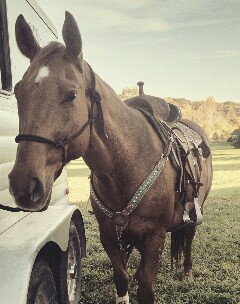
Location: KS | So last night I came home to my mare lying down on her side who refused to get up. Eventually we got her up once she realized that she's getting up no matter what. We kept her walking, if we stopped, she tried to lay down. After about 5 phone calls, we got a hold of our vet. He told us to bring her over ad that she should stay standing in the trailer. We got loaded and arrived alive. The vet checked over her and said her heart beat was 36, which was great. Horses that colic have way lower. Which was music to our ears, but something was still majorly wrong. We told him what happened and how she's been acting recently. He thinks she has C Diff. Our girl is being hospitalized for atleast 24 so we can get the blood test back. I heard it could be fatal to some. Does any one have experience with this bacteria?? I want to hear the good and the bad. |
|
| |
|
 Coyote Country Queen
Posts: 5666

| You can do a search on thehorse.com, there is a lot of information. My experience with chlostridial infections was with newborn foals and the outcome was not good. They got sick fast and didn't last long even with intense veterinary care. |
|
| |
|
 Voice of Reason

Location: NOT at Wal Mart | Lets hope he started her on several different types of antibiotic's. I almost lost a horse to this. He was in the hospital 14 days, then came home with med's. Took another year to get him back to normal. I kept him and ran him until he was 27!! He was written up in several magazines, (one was EQUUS) He was an amazing horse. He's the horse in my signature. |
|
| |
|
Elite Veteran
Posts: 679
Location: KS | He did get her on antibiotics. I'm really hoping she pulls through. I already lost my gelding to lighting, I can't lose her now. She's an awesome little mare who is one tuff cookie.  |
|
| |
|
Voice of Reason
Location: NOT at Wal Mart | Hang in there and pls keep us posted on her progress.  |
|
| |
|
The Advice Guru
Posts: 6419
| I know for people drug of choice is flagyl or vancomycin, had more success given meds orally then iv.
Have had 2 foals get diarrhea, not confirmed c diff. Both survived, but we treated 7 days oral antibiotics we gave septra ds and at day 5 started giving probiotics, and this is when we seen the turn around. Both were on electrolytes.
I would suggest looking into probiotics, make sure your horse is on iv electrolytes, I would also want to know what the blood work looks like.
C diff is a bacteria that is normally found in the gi tract, generally people get it after being on antibiotics for a long period of time as the antibiotics clear out the good bacteria, then c diff takes over.
Just for curiosity sake why did you vet suspect c diff |
|
| |
|
Veteran
Posts: 160
| See if he can get an antibiotic called Azithromycin (sp). You will need to get it from human pharmacy. We've treated a few horses with Clostridial infectiions with it. Helps really quickly. Does she have nasty, foul diarrhea. C Dif causes diarrhea. If her stools are normal than I'd be leaning more toward colic. If it is clostridial than Iv fluids, antiinflammatories, Azithromycin and Bio Sponge. |
|
| |
|
  Ms. Manners
Posts: 1820
Location: Oklahoma | ACowgirlsLastRun - 2013-12-19 11:52 AM So last night I came home to my mare lying down on her side who refused to get up. Eventually we got her up once she realized that she's getting up no matter what. We kept her walking, if we stopped, she tried to lay down. After about 5 phone calls, we got a hold of our vet. He told us to bring her over ad that she should stay standing in the trailer. We got loaded and arrived alive. The vet checked over her and said her heart beat was 36, which was great. Horses that colic have way lower. Which was music to our ears, but something was still majorly wrong. We told him what happened and how she's been acting recently. He thinks she has C Diff. Our girl is being hospitalized for atleast 24 so we can get the blood test back. I heard it could be fatal to some. Does any one have experience with this bacteria?? I want to hear the good and the bad.
If my vet told me that a colicing horse normally has a heartrate less than 36 (a decent resting pulse), I would find a new vet. Increased heartrate is a classic sign of colic and is an excellent indicator of pain level, especially in a horse with little reaction to or outward signs of pain. |
|
| |


 Folks on-line